
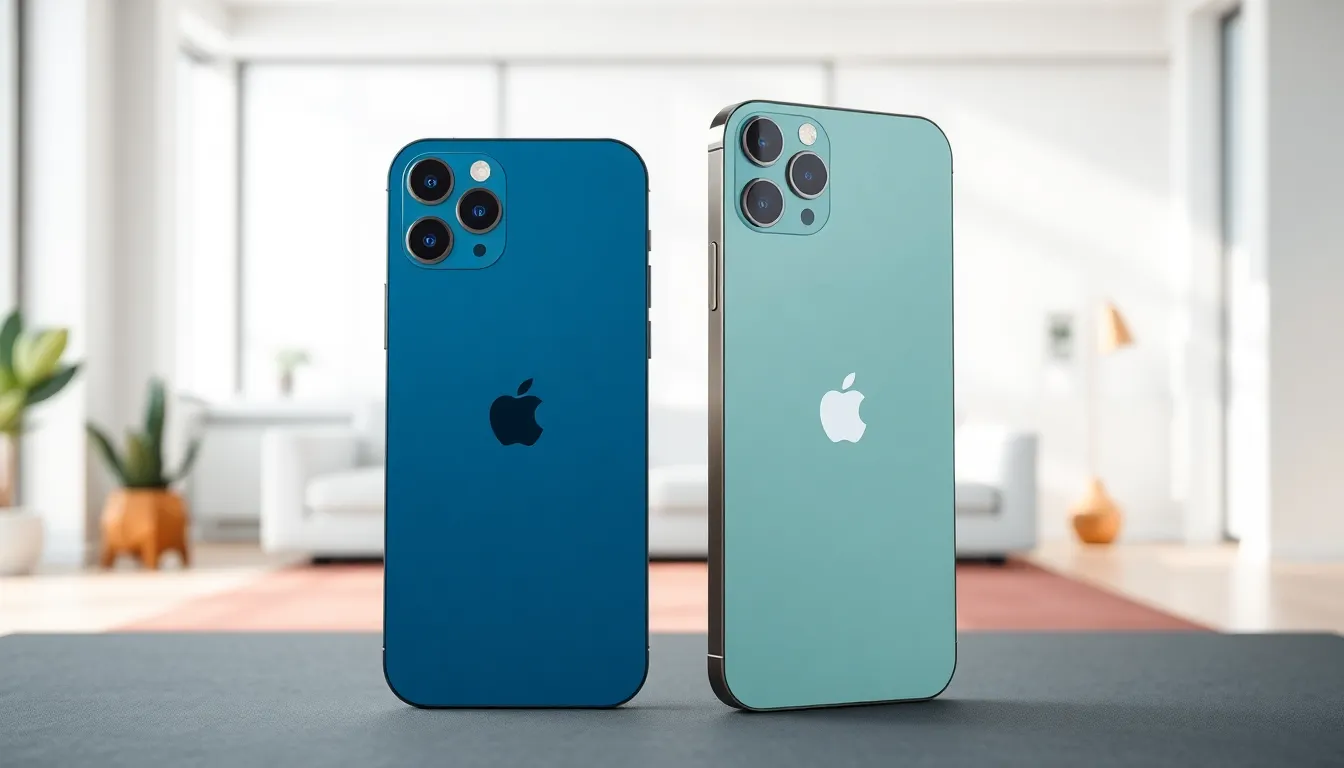
When it comes to the latest iPhones, the debate between the iPhone 14 and iPhone 15 is hotter than a freshly brewed cup of coffee. Apple fans are buzzing with excitement, trying to determine if the newer model truly outshines its predecessor. After all, who wouldn’t want to know if they should upgrade or stick with their trusty iPhone 14?
Overview of iPhone 14 and iPhone 15
The iPhone 14 features a 6.1-inch Super Retina XDR display. Comparatively, the iPhone 15 also has a 6.1-inch Super Retina XDR display, but it boasts improved brightness and color accuracy. Apple’s A15 Bionic chip powers the iPhone 14, while the iPhone 15 utilizes the A16 Bionic chip, enhancing performance and efficiency.
Camera capabilities distinguish both models. The iPhone 14 includes a dual-camera system with 12 MP wide and ultra-wide lenses. In contrast, the iPhone 15 enhances this system with advanced image processing features and improved low-light performance, capturing sharper images.
Battery life remains a significant consideration. The iPhone 14 offers up to 20 hours of video playback. The iPhone 15 matches this with efficiency but provides longer overall battery longevity due to its optimized chip, resulting in increased day-to-day usage.
Charging options differ between the two models. The iPhone 14 supports standard USB-C for charging. The iPhone 15 introduces faster charging capabilities, allowing users to charge devices quickly with the new USB-C port.
Design elements also play an essential role in the comparison. The iPhone 14 showcases an aluminum frame and glass back. The iPhone 15 retains this design but introduces new color options and materials that may appeal to different preferences.
Lastly, software enhancements set both apart. iPhone 14 users can expect iOS updates for several years. The iPhone 15 ships with the latest iOS version, ensuring access to the newest features and security enhancements at launch.
Design Comparisons
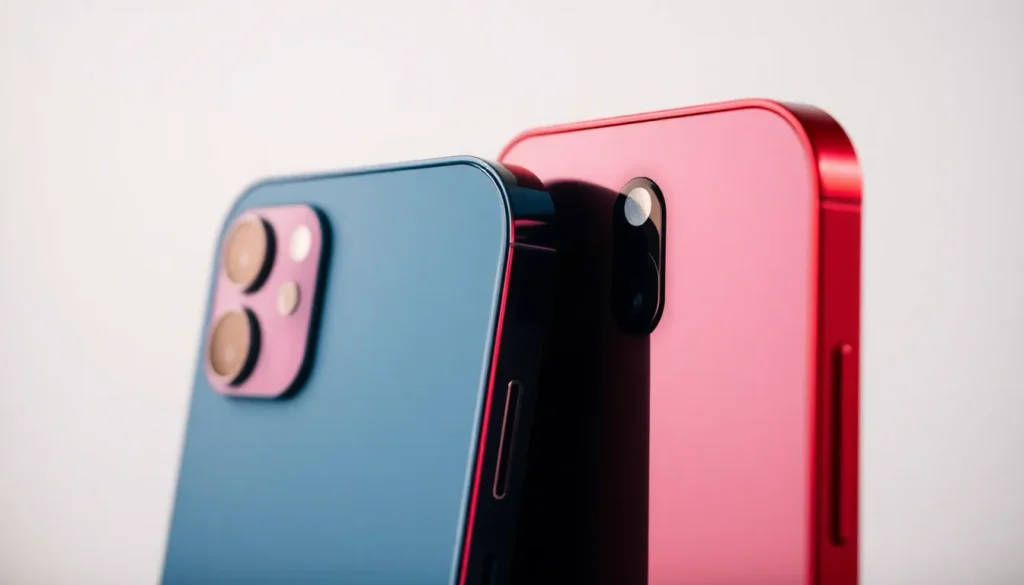
The design of the iPhone 14 and iPhone 15 reveals distinct differences and similarities that impact user experience.
Build Quality
Both models feature durable materials, but the iPhone 15 incorporates a refined aluminum frame and upgraded glass back. The new materials enhance the overall feel and sturdiness. While the iPhone 14 remains reliable, the iPhone 15 offers increased resilience against drops and scratches. It also includes features that exceed the previous model’s standards. Users appreciate the lightweight design in both devices, but the iPhone 15 achieves greater ergonomic balance.
Aesthetics
Aesthetic choices play a significant role in the visual appeal of each device. The iPhone 14’s sleek lines and classic colors attract many users. In contrast, the iPhone 15 introduces vibrant new color options that stand out. Innovative finishes elevate the overall look of the iPhone 15, giving it a modern edge. Users have expressed excitement over these choices, which reflect personal style. Both models maintain a sophisticated appearance, but the iPhone 15 truly shines with contemporary design elements.
Performance Analysis
The performance of the iPhone 14 compared to the iPhone 15 reveals some significant differences.
Processor and Speed
The iPhone 14 features the A15 Bionic chip, providing solid performance for everyday tasks. In contrast, the iPhone 15 uses the A16 Bionic chip, which delivers a notable speed boost and better efficiency. Users can experience faster app launches and smoother multitasking with the iPhone 15. Advanced graphics performance in the A16 chip benefits gamers, enhancing graphics quality and frame rates. Overall, the enhanced processor in the iPhone 15 positions it as a more future-proof device.
Battery Life
Battery life remains similar with both models, allowing up to 20 hours of video playback. However, the iPhone 15 benefits from battery optimizations through its A16 chip. Extended usage times often accompany the iPhone 15, thanks to efficiencies in power management. Charging capabilities also improve; faster charging options with the iPhone 15 cater to those on the go. Users often prefer the longer overall battery longevity of the iPhone 15, making it a compelling choice.
Camera Comparison
Camera capabilities significantly differ between the iPhone 14 and iPhone 15. The iPhone 14 features a dual-camera system with 12 MP wide and ultra-wide lenses. Comparatively, the iPhone 15 enhances this setup with upgraded sensors and advanced computational photography techniques, boosting image quality in various conditions.
Features and Upgrades
The iPhone 15 introduces features like enhanced optical zoom and improved night mode functionality. Users enjoy better autofocus capabilities with the iPhone 15’s advanced lens technology. Additional software enhancements enable features like Photonic Engine, optimizing detail and color accuracy. The iPhone 14, while capable, lacks these advanced features, making the 15 a more appealing option for photography enthusiasts.
Photo and Video Quality
Photo quality on the iPhone 15 surpasses that of the iPhone 14, especially in low-light scenarios. Enhanced image processing results in sharper details and richer colors during nighttime photography. Video capabilities also see an upgrade, with the iPhone 15 supporting 4K cinematic mode, essential for capturing professional-grade videos. While the iPhone 14 delivers decent video quality, the advancements in the 15 make it a superior choice for those seeking high-quality recording options.
User Experience
User experience significantly impacts the decision to choose between the iPhone 14 and iPhone 15. Both models offer distinct advantages that cater to different user preferences.
iOS Features
The iPhone 15 ships with the latest iOS version, providing users immediate access to new features and security updates. Enhanced privacy settings ensure users’ data remains protected while using various apps. Users enjoy advanced functionalities, such as improved widgets and customization options, which add a personal touch. Meanwhile, the iPhone 14 supports earlier iOS updates, making it valid for those who prefer familiar features. Despite its strong capabilities, it may lack some exclusive enhancements present in the iPhone 15. Therefore, users prioritizing the latest software experience might find the iPhone 15 more appealing.
Interface and Usability
The interface in both iPhone models remains intuitive and user-friendly. Users appreciate the seamless navigation offered by iOS, allowing easy access to apps and settings. While the iPhone 14 holds its ground with a responsive layout, the iPhone 15 enhances usability with subtle design tweaks. The larger touch targets and refined gestures improve overall efficiency for everyday tasks. Visual clarity stands out in the iPhone 15, benefiting from the improved display quality and brightness. Users who often engage in multimedia tasks will likely favor the superior interface experience provided by the iPhone 15.
Pricing and Value
Pricing for the iPhone 14 starts around $799 while the iPhone 15 begins at approximately $999, reflecting the advancements in technology and performance found in the newer model. Buyers notice this price difference correlates with significant upgrades, particularly in processing power and camera capabilities.
Value for the iPhone 14 is evident for users seeking reliability. Many users appreciate the solid performance of the A15 Bionic chip, which handles everyday tasks efficiently without the latest enhancements. However, the iPhone 15 offers greater value for those wanting the latest technology, featuring the A16 Bionic chip that elevates multitasking and gaming experiences.
Cost considerations play a crucial role in the decision-making process. Users weighing their options can find that while the iPhone 14 saves initial investment, the long-term benefits of the iPhone 15, such as improved battery longevity and advanced features, justify the higher cost. Enhanced resale value for the iPhone 15 also makes it a compelling purchase, as newer models typically retain value better over time.
Comparative assessments often highlight how the pricing structure reflects the perceived value. The enhanced features in the iPhone 15, including advanced computational photography and improved software support, add to its overall worth. Pricing and value assessments should align closely with user preferences and needs, ensuring each individual or household chooses the best device for their situation.
The choice between the iPhone 14 and iPhone 15 ultimately hinges on individual preferences and priorities. While the iPhone 14 offers solid performance and reliability at a lower price point, the iPhone 15 introduces significant advancements in technology and features that may appeal to many users. Enhanced camera capabilities improved processing power and faster charging options make the iPhone 15 a more attractive choice for those seeking the latest innovations.
As Apple continues to push boundaries with its devices the decision to upgrade should consider both immediate needs and future-proofing for longevity. Whether one opts for the dependable iPhone 14 or the cutting-edge iPhone 15 it’s clear that both models cater to different segments of the market.

