In a world where tastes shift faster than trends can catch a breath, pop culture posters have emerged as an artful commentary on society’s obsessions. These vibrant pieces not only allow fans to showcase their favorite movies, bands, and icons, but they also serve as a visual diary of cultural evolution. From the iconic film posters of yesteryear to the eye-catching digital designs dominating today’s social media feeds, there’s a lot to unpack. So, pop your popcorn and grab your sketchbook: let’s jump into the fascinating journey of pop culture posters.
The Evolution of Pop Culture Posters
Historical Context and Significance
Pop culture posters have a rich history that reflects social movements, technological advancements, and the collective psyche of the era. In the early 20th century, posters began as simple advertisements but quickly evolved into artistic expressions capturing the zeitgeist of different decades. From the psychedelic posters of the 1960s, which embraced counterculture and rock music, to the minimalist designs of the 1980s that popped with vibrant colors, these posters are more than decoration. They provide a snapshot of cultural narratives.
As each decade passed, posters not only advertised movies and concerts but also made powerful statements about changing societal values. The activism of the 1970s, the glam of the 1980s, and the tech renaissance of the 1990s all found their voices through creative imagery. It’s no wonder that collectors today view these items not just as décor but as important artifacts of cultural history.
Key Design Elements Through the Decades
Iconic Pop Culture Posters That Shaped Generations
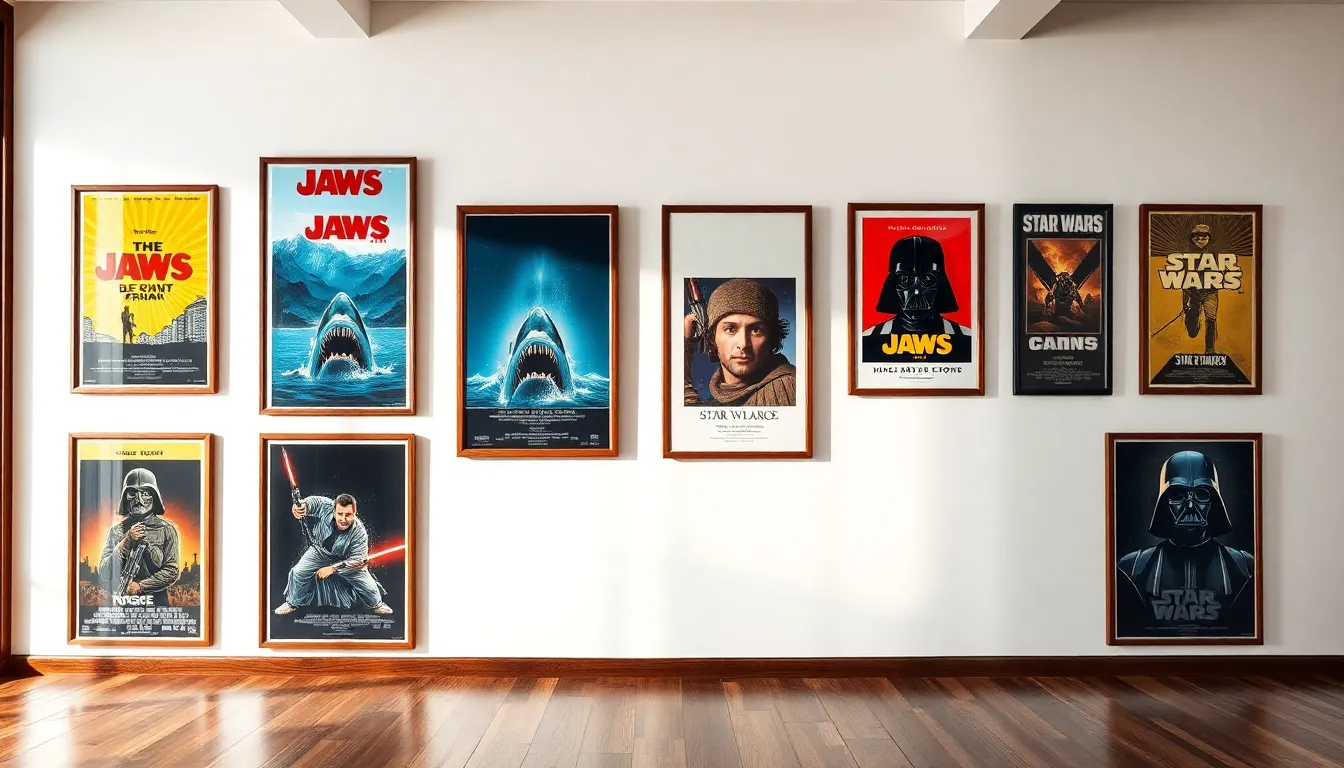
Design elements in pop culture posters have evolved, each reflecting the unique character of its time. Consider the iconic Jaws poster. That simple yet terrifying image effectively played on the fears of an entire generation, influencing both cinema and poster design forever. High contrast, bold typography, and striking visuals became staples over time, pushing the envelope of artistic expression.
Another unforgettable example is the Star Wars poster. Its epic design captures the essence of fantasy and adventure, showcasing how synergy between visuals and theme can elevate a movie’s hype and viability.
Film and Music Icons
Film and music icons have long influenced poster design. Consider the classic movie posters created by artists like Saul Bass, whose unique style helped define how film was marketed. The bold colors and simple yet effective visuals made people take notice. Similarly, music posters, especially during the rock and punk eras, often featured vivid artwork and exaggerated typography to encapsulate the sonic intensity and rebellion of the time. These design elements not only created memorable marketing but also left an indelible mark on pop culture aesthetics.
Art Movements Influencing Poster Design
Modern Trends in Pop Culture Posters
Today’s pop culture posters incorporate modern design trends influenced by both traditional art movements and cutting-edge technology. The blending of styles, such as combining vintage aesthetics with digital illustration, results in a new kind of visual storytelling.
Minimalism has also emerged as a defining trend, where less is often more. Artists are creating clean, simple designs showcasing a singular message or emotion, resonating deeply with audiences craving authenticity. Heavily inspired by modern graphic design, these trends reflect how society communicates in a digital age.
The Rise of Digital and Social Media Influences
With the advent of social media, the dynamics of poster creation have transformed. Platforms like Instagram and Pinterest are now showcasing emerging artists who prefer digital formats. Viral trends can lead to quick creations, often employing clever memes or culturally relevant illustrations that tap into current events. This pace changes how art is consumed: it’s not just about classic prints anymore but instant shareable content.
Sustainable Practices in Poster Production
Collecting and Displaying Pop Culture Posters
As pop culture posters gain popularity, sustainability becomes increasingly important in their production. Many artists are now opting for eco-friendly materials and printing techniques to appeal to a more environmentally conscious audience.
Collectors today look not just for aesthetically pleasing designs but also for those with a conscience. This new wave emphasizes that collecting should align with one’s values. Knowing the story behind a poster adds another layer of appreciation, it’s not only art: it’s about supporting ethical practices.
Tips for New Collectors
For aspiring collectors navigating the vibrant world of pop culture posters, a few tips can ensure a rewarding journey. Start by identifying your taste: do you lean towards films, bands, or perhaps classic artworks? Online communities can offer great resources: connect with fellow enthusiasts to share insights and swap pieces.
Don’t forget the importance of authentication. Consider posters that are signed by the artist or limited editions, as these often retain or increase their value over time. Your collection could become not only a personal gallery but also a future investment.
Framing and Display Techniques
When it comes to displaying pop culture posters, how you frame them can significantly impact their allure. With a plethora of options, think frameless mounts, elaborate wooden frames, or even clip systems, each serves to enhance the visual aesthetic of your chosen piece.
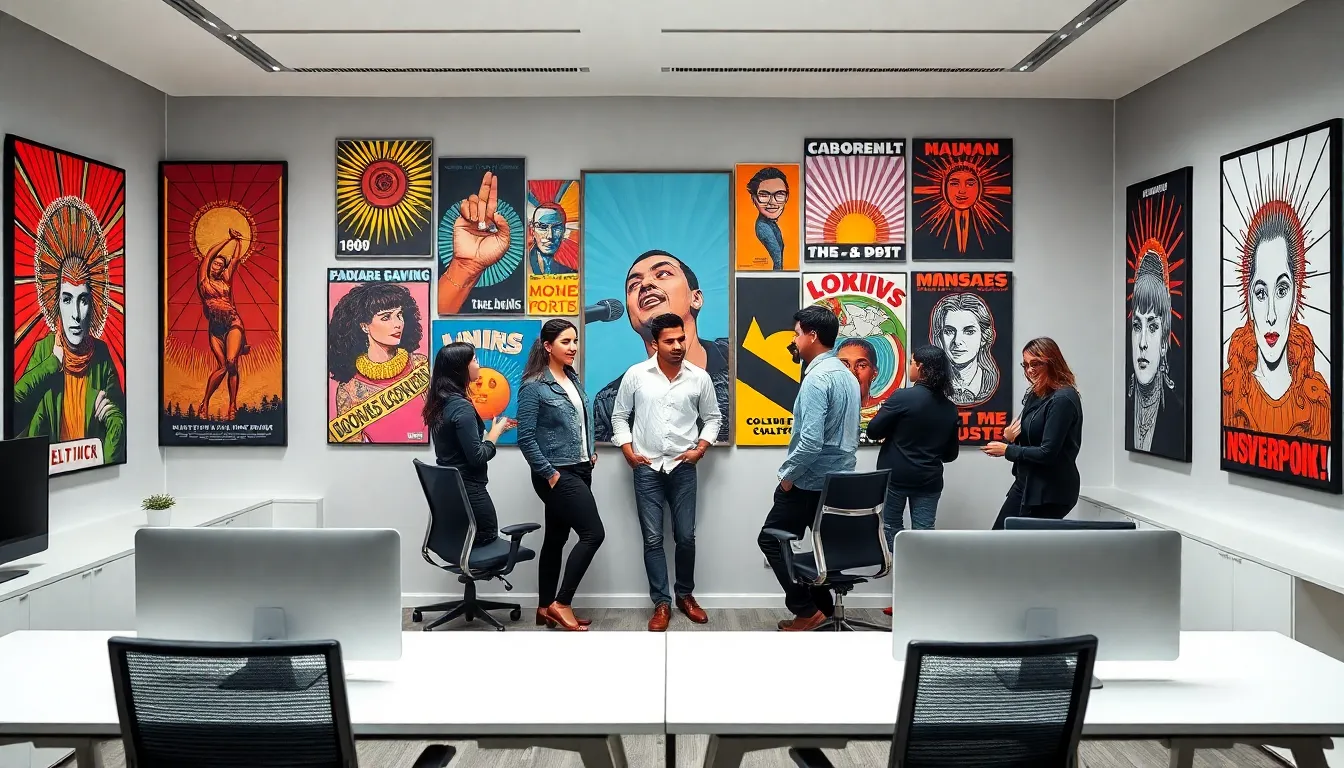
Choosing the right colors and materials in framing can harmonize with existing decor while typically protecting the artwork from harmful UV exposure. One popular technique among collectors is gallery walls, where contrasting styles come together in a vibrant explosion of creativity. Whether showcased alone or in a cluster, well-framed posters can add character and charm to any space, becoming conversational pieces that celebrate culture.