

Transferring files from Windows to an iPhone might seem like trying to teach a cat to swim—challenging and a little messy. But fear not! With the right tools and a sprinkle of tech magic, it’s easier than you think. Whether it’s that hilarious meme you found or important documents for work, getting files from one device to another doesn’t have to feel like rocket science.
Overview of File Transfer Methods
Transferring files from Windows to iPhone involves several effective methods. Each method offers distinct advantages, ensuring flexibility for users.
One popular option is using iCloud Drive. This cloud service allows users to upload files from Windows and access them on their iPhone seamlessly. Simply enable iCloud Drive on both devices, and files sync automatically.
Another efficient method is utilizing iTunes or Finder. By connecting the iPhone to a Windows computer, users can easily share music, videos, and documents. After launching iTunes or Finder, it becomes possible to drag and drop files onto the device.
Using third-party applications also presents a viable alternative. Apps like ShareIt or Dropbox facilitate transferring large files and maintaining accessibility. Install the chosen app on both the Windows computer and iPhone to begin the transfer process.
Wireless options such as email or messaging platforms allow for quick file sharing. Users can attach documents or images to emails and send them to themselves. Upon opening the email on the iPhone, files become readily available.
Bluetooth transfer is limited between these devices, but it can still be utilized. This method requires both devices to have Bluetooth enabled and paired. Once connected, users can transfer specific files easily.
Overall, choosing the right method depends on file type and user preference. It becomes essential to select the most convenient option to ensure a successful transfer. Knowing these methods equips users with the necessary tools for efficient file sharing between Windows and iPhone.
Using iTunes to Transfer Files
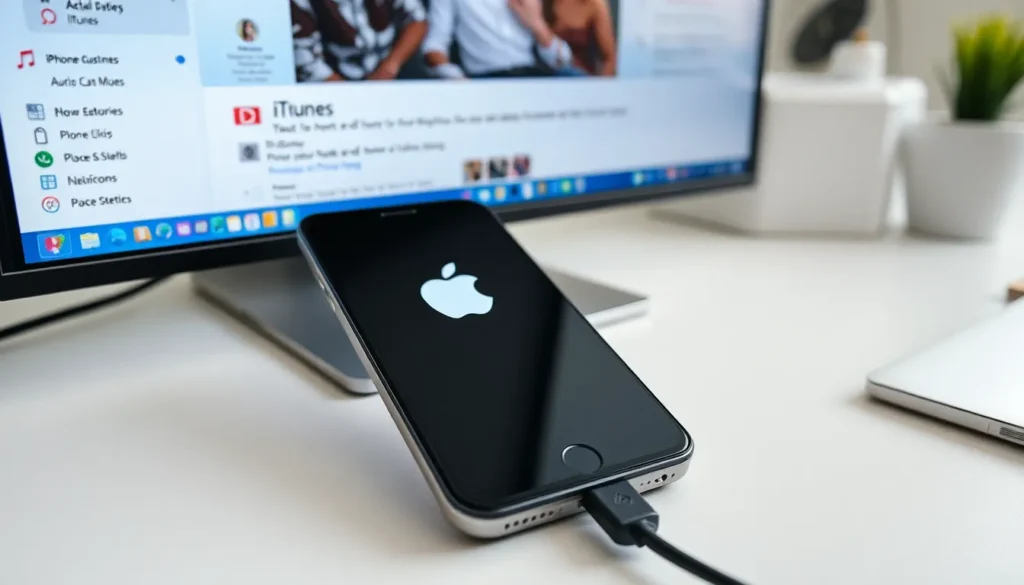
iTunes serves as a reliable method for transferring files from Windows to iPhone. This tool allows users to sync content easily across devices.
Setting Up iTunes
First, ensure the latest version of iTunes is installed on the Windows computer. After installation, connect the iPhone to the computer using a USB cable. Then, open iTunes and select the iPhone icon that appears in the upper-left corner of the window. Trust the computer on the iPhone when prompted. This action prepares the device for file transfer.
Transferring Files with iTunes
To transfer files, navigate to the desired content type, like music, movies, or documents, using iTunes. Select the files intended for transfer, then click the “Sync” button. This process uploads files directly to the iPhone. Upon completion, disconnect the iPhone safely from the computer. Check the corresponding app on the iPhone to confirm the successful transfer.
Using iCloud Drive
iCloud Drive simplifies the process of transferring files from Windows to iPhone. This platform allows seamless access to documents and media across devices.
Setting Up iCloud on Windows
Installing iCloud on a Windows PC requires downloading the iCloud for Windows application from the Apple website. After installation, users must sign in using their Apple ID credentials. This process links the Windows device to their iCloud account. Users can select specific types of files for syncing, such as photos, mail, and documents. Ensuring iCloud is set to automatically sync can enhance user experience.
Uploading Files to iCloud Drive
Transferring files involves dragging and dropping documents into the iCloud Drive folder on Windows Explorer. Users can also click the iCloud Drive option in File Explorer for easy access. After moving files, check for confirmation that the upload was successful. Once uploaded, files become available on an iPhone via the Files app. This straightforward method provides quick access to shared files, enhancing productivity and file management.
Using Third-Party Applications
Transferring files from Windows to an iPhone can become seamless with the use of third-party applications. Users can easily navigate various options that cater to different needs.
Recommended Apps for File Transfer
Several apps stand out for file transfer. ShareIt allows quick sharing of large files, bypassing conventional transfer limits. Dropbox offers cloud storage and easy access to files on multiple devices, promoting cross-platform compatibility. Send Anywhere excels in secure transfers without file size restrictions. Google Drive focuses on cloud-based sharing, giving users access to documents anywhere. These apps provide flexibility and user-friendly interfaces, indicative of modern expectations in file transfer.
Step-by-Step Guide for Each App
Each app has its own set of steps for transferring files. For ShareIt, download the app on both devices, ensure they are connected to the same Wi-Fi, and share files instantly. Using Dropbox requires uploading files to the cloud on Windows, then accessing them via the Dropbox app on iPhone. Send Anywhere involves generating a QR code or link on Windows, which the iPhone scans to retrieve files. For Google Drive, upload files from Windows to your Drive account, then open the corresponding app on your iPhone to download them. Each method provides a straightforward way to move files without complications.
Transferring files from Windows to an iPhone can be accomplished with ease when the right methods are utilized. With options like iCloud Drive iTunes and various third-party applications users can find a solution that fits their needs. Each method offers unique advantages making it easier to share music documents and more without hassle.
By selecting the appropriate transfer method based on file type and personal preference anyone can streamline their file sharing experience. Embracing these tools not only simplifies the process but also enhances productivity whether for work or personal use. With a little guidance users can confidently navigate the transfer process and enjoy seamless access to their files on their iPhone.

