
The ’80s were a wild ride, packed with neon colors, big hair, and unforgettable characters that shaped pop culture as we know it. From the catchy tunes blasting on boom boxes to the iconic films that still make us laugh and cry, this decade brought us a treasure trove of icons that defined a generation. Who could forget the unforgettable antics of characters like Ferris Bueller or the fashion statements made by Madonna?
These figures didn’t just entertain; they became symbols of rebellion, creativity, and self-expression. They influenced everything from music to fashion, leaving a legacy that still resonates today. So grab your leg warmers and get ready to journey back in time as we explore the unforgettable icons of ’80s pop culture that continue to inspire and entertain.
Table of Contents
ToggleOverview of 80s Pop Culture Icons
The 1980s introduced a captivating blend of music, fashion, and film that defined a generation. Icons emerged across various mediums, becoming symbols of individuality and creativity. Madonna exemplified this spirit, pushing boundaries of music and societal norms with hits like “Like a Virgin” and “Material Girl.”
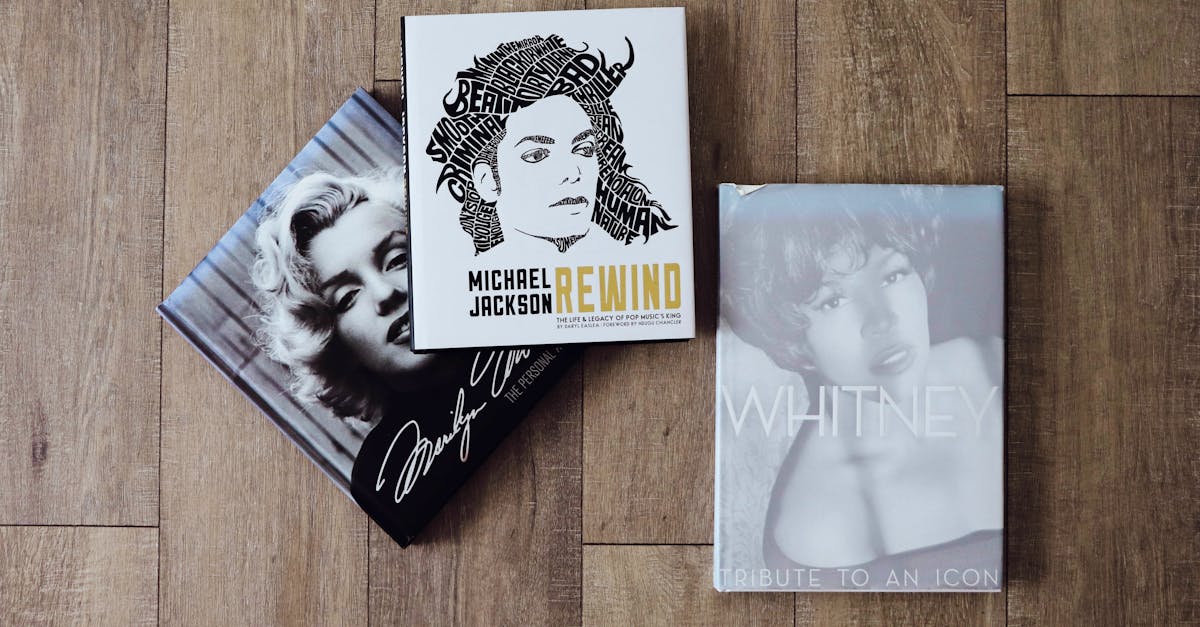
Michael Jackson, known as the King of Pop, revolutionized the music scene with his iconic dance moves and groundbreaking music videos, notably “Thriller.” His influence extended beyond music into fashion, where sequined jackets and single white gloves became staples.
Films during this era also showcased unforgettable characters. Ferris Bueller, portrayed by Matthew Broderick, became a representation of youthful rebellion, encouraging a carefree attitude. Characters from John Hughes films, including Molly Ringwald’s roles, resonated with teenage audiences, tackling themes of love and identity.
Television offered its own set of icons, from the witty antics of the characters in “Cheers” to the dramatic storytelling in “Dallas.” The glamor of the soap opera genre dominated daytime television, bringing melodrama into everyday life.
Athletes also transformed into cultural icons. Legends like Michael Jordan and Madonna Graef shaped the sports landscape, inspiring fans and setting new standards of excellence.
Fashion in the 1980s was colorful and bold. Neon colors, leg warmers, and parachute pants defined street style. Consumers embraced trends influenced by pop culture, emphasizing personal expression and creativity.
Ultimately, the 1980s left an indelible mark on pop culture. The decade produced icons whose influence continues to inspire generations, shaping music, fashion, and film long after the turn of the century.
Music Legends
The 1980s showcased remarkable music legends that shaped the decade’s soundscape. Leading artists and bands produced unforgettable hits that defined pop culture.
Iconic Bands and Artists
Madonna emerged as a trailblazer, pushing musical boundaries with hits like “Like a Virgin” and “Into the Groove.” Prince captivated audiences with his innovative blend of funk and rock in songs such as “Purple Rain” and “Kiss.” Michael Jackson redefined pop music, particularly with his legendary album “Thriller,” which remains the best-selling album of all time. Duran Duran introduced a new wave sound, captivating fans with tracks like “Hungry Like the Wolf.” U2 captured the spirit of the times with powerful anthems like “With or Without You.” Each artists’ unique style and sound contributed significantly to the cultural fabric of the ’80s.
The Influence of MTV
MTV revolutionized music consumption in the 1980s by launching in 1981. The channel changed how artists connected with their audience through music videos. Iconic videos, like Michael Jackson’s “Thriller,” not only entertained but also reshaped the music industry. Madonna’s stylish and provocative visuals gained her immense popularity on the network. The influence of MTV led to the rise of stars like Cyndi Lauper, whose colorful videos complemented her catchy tunes. This platform fostered a visual culture that allowed artists to express their creativity beyond audio. As a result, MTV didn’t just showcase music; it became an essential component of artist promotion and public image.
Film and Television Stars
The 1980s showcased a vibrant array of film and television stars that captured hearts and imaginations. These icons defined the era with their memorable performances and unique styles.
Blockbuster Movies of the 80s
Blockbuster movies dominated the cinematic landscape during this decade. Films like “E.T. the Extra-Terrestrial,” “Back to the Future,” and “Indiana Jones” became cultural touchstones. Each showcased innovative storytelling and engaging characters, drawing audiences in. “E.T.” introduced a touching tale of friendship beyond the stars, while “Back to the Future” blended science fiction with humor. “Indiana Jones” combined thrilling adventure with charismatic performances, specifically from Harrison Ford. These films not only grossed millions but also became classics, influencing future generations of filmmakers.
TV Shows That Defined a Generation
Television shows from the 1980s helped shape cultural conversations. Iconic programs such as “The A-Team,” “Cheers,” and “Miami Vice” entertained while reflecting societal trends. “Cheers” captured the essence of camaraderie in a Boston bar, attracting devoted viewers. “The A-Team” featured an ensemble of charming outlaws fighting injustice, blending action with wit. “Miami Vice” redefined the cop drama with its stylish aesthetic and memorable soundtrack. These series resonated with audiences, leaving lasting impacts on pop culture and paving the way for future hits.
Fashion Trends
The fashion trends of the 1980s epitomized a vibrant and expressive era. Bold colors, eclectic patterns, and unique styles defined this decade, making it a memorable time in fashion history.
Signature Styles of the 80s
Oversized silhouettes captured attention, whether through baggy sweaters, shoulder pads, or high-waisted jeans. Neon colors dominated wardrobes, with bright shades becoming synonymous with the decade’s bold aesthetic. Accessories like leg warmers, chunky jewelry, and scrunchies added playful details to outfits. Various subcultures, such as preppy, punk, and goth, contributed distinct styles, each showcasing individual expression. Athleisure also gained prominence, leading to trends like tracksuits and high-top sneakers, blending comfort with sportiness.
Influential Designers and Brands
Prominent designers played crucial roles in shaping 1980s fashion. Gianni Versace captivated many with daring designs that exuded luxury and glamour. Calvin Klein introduced minimalist aesthetics that emphasized clean lines and simplicity, appealing to urban fashionistas. Additionally, brands like Levi’s, which popularized denim culture, transformed everyday wear. Sporting labels such as Nike and Adidas began merging fashion with functionality, further influencing style choices. Overall, 1980s fashion reflected a culture of experimentation and individuality, with designers pushing relationships between art and clothing.
The Impact of 80s Pop Culture
The 1980s left a lasting imprint on contemporary entertainment, shaping music, fashion, and film alike. Today’s artists often draw inspiration from iconic figures and styles from this era. For instance, the influence of Madonna’s bold fashion choices and provocative lyrics resonates in the works of modern pop stars. Michael Jackson’s innovative music videos set new standards, prompting current musicians to prioritize visual storytelling. Films and series from the ’80s inspire reboots and sequels, with audiences eager for nostalgia and familiar characters. The upbeat sounds of ’80s synth-pop frequently appear in playlists and film soundtracks, underscoring how these musical movements endure.
Cultural movements and social changes during the 1980s heavily influenced societal norms. The decade embraced individual expression and diversity, paving the way for future generations to explore identity more freely. Punk and new wave subcultures challenged conventions, leading to increased visibility for marginalized groups. Social issues, such as gender equality and LGBTQ+ rights, gained traction, while artists often addressed these topics in their work. The marketing strategies of the time reflected a shift in consumer behavior, catering to a youth-driven market that craved authenticity and representation. These foundational changes continue to ripple through modern culture, affecting how society understands identity, creativity, and social responsibility.
The legacy of 1980s pop culture icons remains vibrant and influential. From unforgettable music to groundbreaking films and fashion trends, this era shaped a generation’s identity. The creativity and boldness of figures like Madonna and Michael Jackson set the stage for future artists to explore their own expressions.
As nostalgia for the 1980s continues to thrive, the impact of this dynamic decade is evident in today’s entertainment landscape. The cultural movements of the time fostered a spirit of individuality that resonates with audiences now more than ever. The icons of the ’80s not only entertained but also inspired a lasting appreciation for authenticity and self-expression that transcends generations.

